Vinyl vs. Concrete vs. Fiberglass: A Side-by-Side Comparison
Jun 8th 2026
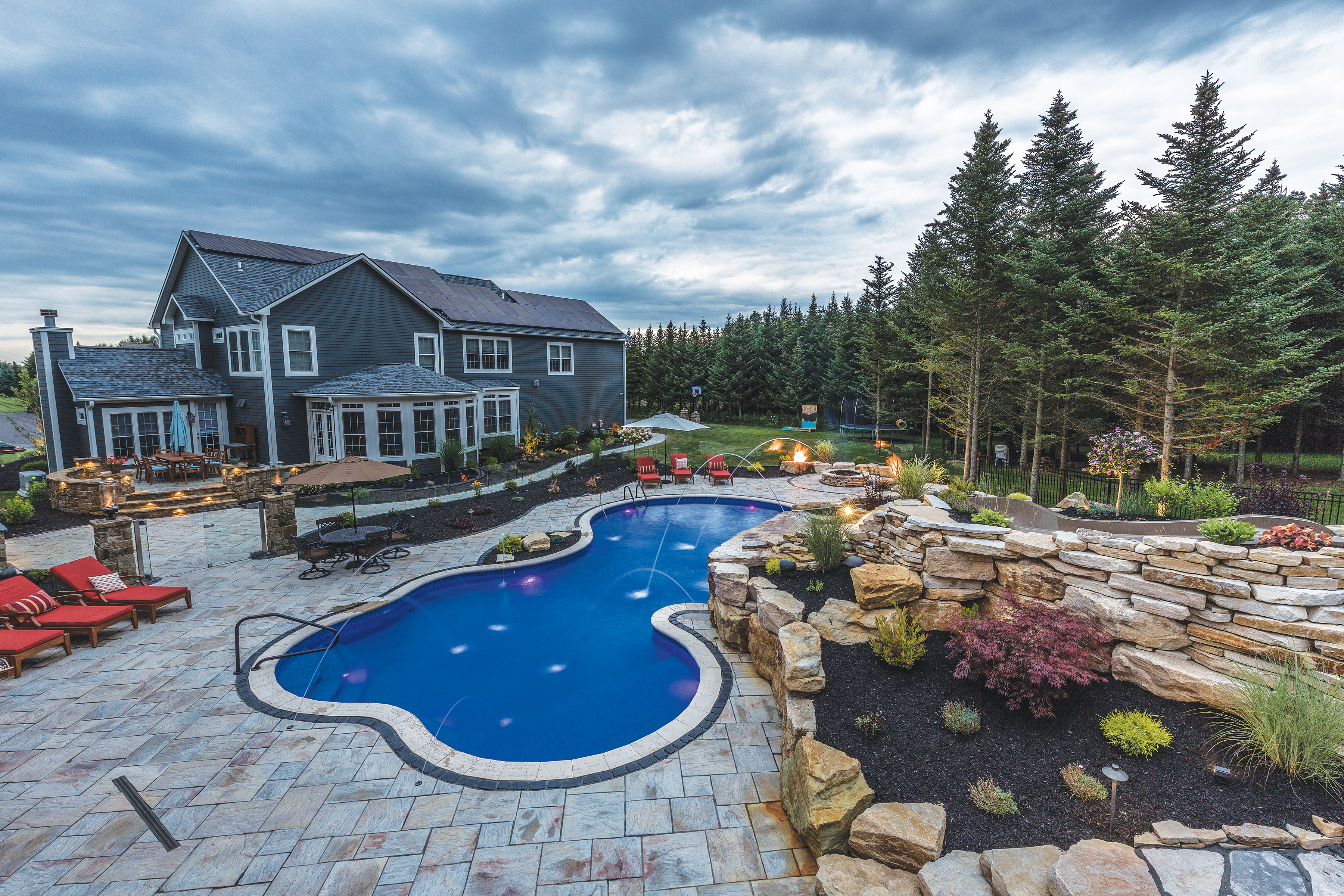
Shopping for a pool can feel overwhelming fast. You've probably already come across the three main types — vinyl, concrete, and fiberglass — and maybe gotten three completely different opinions on which one to choose. Here's the honest breakdown: all three work. But for most homeowners, vinyl liner pools are the smartest long-term investment, and the reasons why come down to cost, flexibility, and what the surface you're swimming in is actually made of.
What's Actually in the Ground
Concrete pools are built by spraying gunite or shotcrete over a steel framework directly in your backyard. The result is a fully custom structure that can take almost any shape, but it takes months to build and years of maintenance to keep up.
Fiberglass pools are manufactured off-site as a single pre-molded shell and dropped into a pre-excavated hole. Installation is faster, but you're working from a catalog. The shape, size, and depth options are limited to whatever molds your dealer has available.
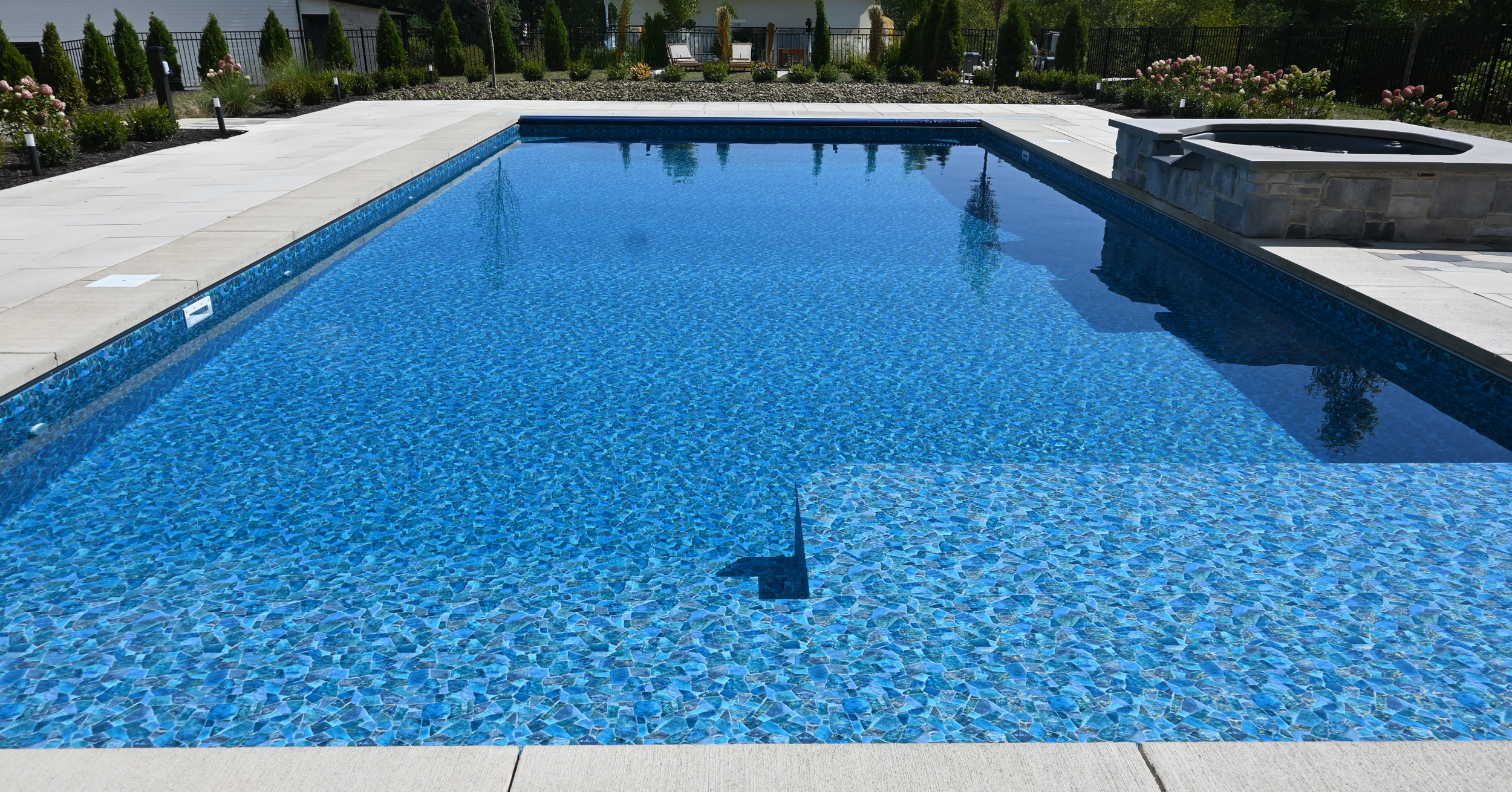
Vinyl liner pools use a steel or composite wall panel system to define the shape, with a custom-fitted vinyl liner forming the actual pool surface. The frame can be built to almost any size or footprint, and the liner itself is a replaceable, upgradeable component, which is one of the most underrated advantages in the pool industry.
Cost: Upfront and Over Time
Concrete typically carries the highest installation cost of the three, and the ongoing expenses don't stop there. The porous surface harbors algae, demands higher chemical usage, and needs to be fully resurfaced every 10–15 years, a project that can run several thousand dollars on its own.
Fiberglass has lower day-to-day chemical requirements than concrete, but the shell itself is expensive, and repairs to a cracked or damaged fiberglass pool can be complicated and costly. You're also paying for a fixed design you may not love in 10 years and can't easily change.
Vinyl liner pools offer the lowest installation cost of the three and the most long-term flexibility. Whether the pool is built with steel or composite wall panels, the structure is designed to last, and if you want to refresh the look of your pool, you replace the liner, not the entire structure. With a quality liner built to last, that's not a conversation you'll be having for a long time.
Maintenance Reality Check
Fiberglass is relatively low-maintenance day to day. The smooth gelcoat surface resists algae better than concrete, but any structural damage to the shell is a major repair.
Vinyl pools are easy to maintain with standard pool chemistry, and the non-porous surface means less algae and less chemical demand than concrete. If the liner is ever damaged, it can be replaced without disturbing the pool's structure, whether that structure is steel or composite. That kind of repairability is genuinely valuable over the life of a pool.
Customization
Concrete gives you the most design freedom. Any shape, any depth configuration, any footprint: if you have a very specific vision, concrete can technically accommodate it.
Fiberglass locks you into pre-existing mold sizes. You're choosing from what's available, not designing from scratch.
Vinyl liner pools offer a strong middle ground. The structure, available in both steel and composite wall systems, can be built to your yard and your preferences. The liner pattern, color, and finish can be updated at any point without touching the rest of the pool. That flexibility has real value over a 20+ year ownership window.
The Liner Is Everything
If you're going with a vinyl pool, the liner isn't just an aesthetic choice. It's the surface your family swims in every day. Not all liners are made the same, and the difference between a cheap liner and a quality one shows up quickly: premature fading, brittleness, poor elasticity that causes improper fit, and early failure.
For years, the vinyl liner industry had no formal standards or certifications to help homeowners or dealers tell the difference between a quality liner and a subpar one. That changed with the introduction of the CFFA-P-101 certification — the Chemical Fabrics and Film Association's standard for vinyl pool liners, requiring independent laboratory testing for strength, UV resistance, durability, and more.
Only Alpha Pool Products is a CFFA-certified fabricator, and we use only CFFA-P-101 certified material in every liner we make. Our liners are manufactured in the USA using American-sourced materials: no overseas production, no fillers, no shortcuts. When you see the CFFA certification mark, it means the liner has been tested and proven to meet the performance standards the industry finally set for itself. That's what we build to.
The Bottom Line
For homeowners who want a beautiful, cost-effective pool with real long-term flexibility, vinyl is the clear choice. The key is pairing it with a liner that's actually built to perform.
Only Alpha Pool Products liners are CFFA-P-101 certified, USA manufactured, and made with American-sourced materials. We don't cut corners on the product your family swims in.