Common Vinyl Liner Installation Mistakes (And How to Avoid Them)
May 5th 2026
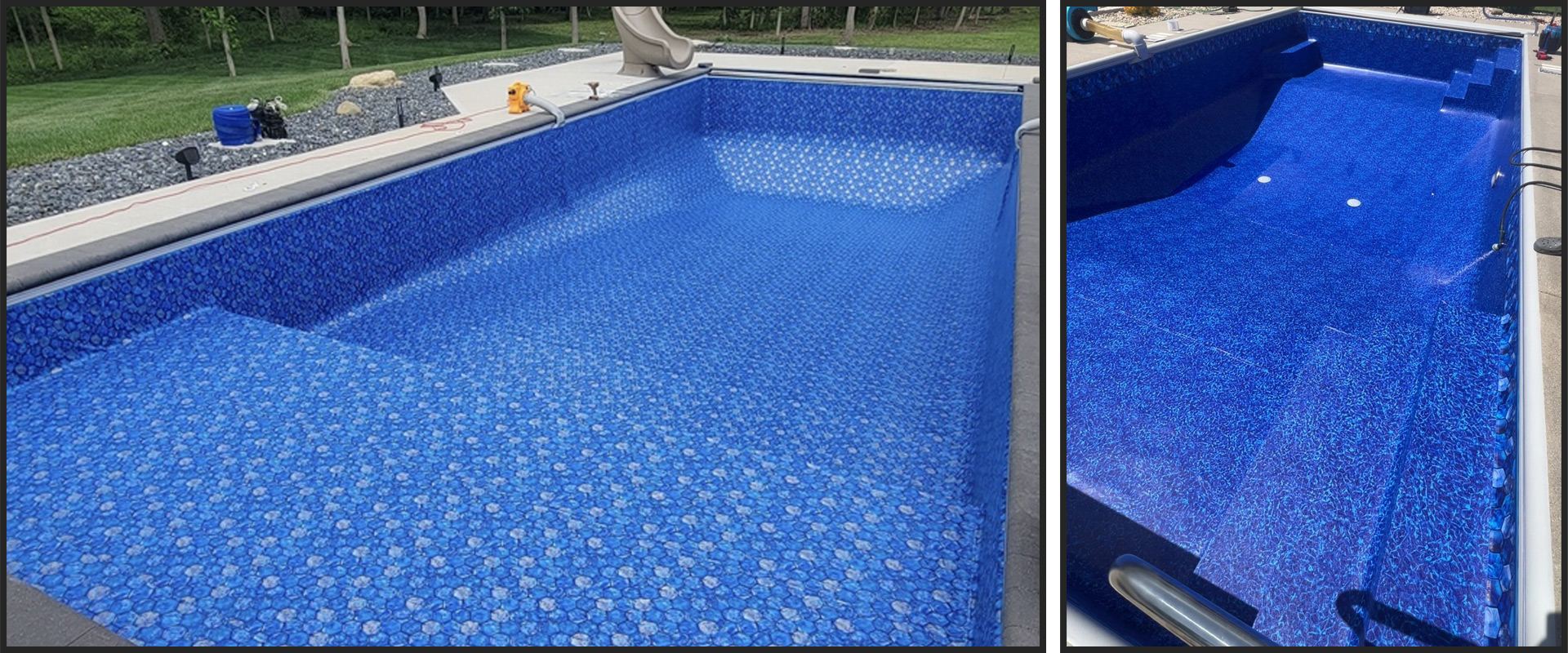
A flawless liner installation is one of the best things you can do for your customers — and one of the easiest things to get wrong. Even experienced installers can fall into familiar traps that lead to callbacks, unhappy homeowners, and liners that don't live up to their potential. Here's a breakdown of the most common mistakes we see in the field, and how to avoid them every time.
Skipping Proper Site Prep
It sounds basic, but inadequate surface preparation is one of the most frequent culprits behind liner problems down the line. Any debris left beneath the liner — rocks, roots, uneven sand, or rough and deteriorating wall surfaces — creates stress points that can lead to punctures or wrinkles. Before the liner ever goes in, the pool floor and walls should be meticulously cleaned, smoothed, and leveled. There's no shortcut here.
Why it matters: Surface issues that get buried under a new liner don't disappear. They show up weeks or months later as visible imperfections, and by then the homeowner is calling you back for answers. A little extra prep time up front saves a lot of headache down the road.
Getting the Measurements Wrong
A liner that doesn't match the pool's exact dimensions will never perform the way it should. Too small and you're dealing with stress points and tears; too large and you're cutting in ways that compromise the liner's integrity. Always triple-check dimensions, including depth, slope, radius corners, and any custom features like steps or tanning ledges, before placing an order. And remember: measure horizontally to a vertical pole, not down the slope. It's a small detail that makes a big difference.
Most liner companies won't accept returns once a liner has been opened. An incorrect order means delays, additional costs, and a frustrated homeowner waiting longer than expected to get in the water. Getting measurements right the first time protects everyone.
Installing in the Wrong Conditions
Temperature matters more than most people realize. Vinyl is significantly easier to work with when it's warm, ideally between 75°F and 85°F. Installing in cold or cloudy conditions makes the material stiffer and harder to stretch evenly, increasing the chance of wrinkles and an improper fit. When you can control the timing, plan installations for warm, sunny days.
A liner installed in poor conditions may look fine at first, but wrinkles and fitting issues that develop early tend to get worse over time.
Cutting Fittings Too Early
This one catches a lot of installers off guard. Cutting the liner to accommodate skimmers, drains, and other fittings before the pool is adequately filled is a mistake. As water fills the pool, the liner continues to stretch and shift, even when vacuumed tightly. Cutting too early puts undue stress on the material as it continues to pull and stretch around the opening, and that stress doesn't let up until the liner is fully settled. The rule of thumb: wait until the water level is approaching the fitting before you make the cut. This ensures everything ends up exactly where it should.
Fittings cut too early can end up misaligned once the liner fully stretches into place. Misaligned cuts around skimmers or drains are a common source of leaks, and leaks that trace back to installation.
Not Accounting for the Shallow-End Pull
As the deep end fills first, the weight of the water can pull the liner toward it, taking material from the shallow end along with it. A simple fix: place a dam of water bags or sandbags along the shallow-end break before filling begins. Even a half inch of water in the shallow end is enough to lock the liner in place while the rest fills in.
Once the liner has shifted and the pool is full, there's not much you can do about it. Material that's been pulled out of position in the shallow end creates wrinkles and uneven coverage that are essentially permanent at that point.
Rushing the Fill
Patience matters at the fill stage too. Filling too quickly, or delaying the fill after the liner is set, can both cause problems. A delayed fill allows the liner to shift, shrink, or develop wrinkles before the water weight locks it in. Filling too fast doesn't give you time to catch and correct issues as they develop. Fill steadily, watch carefully, and address anything that looks off before it's locked in.
The fill stage is your last real opportunity to catch problems before they're permanent. Rushing through it is one of the most avoidable reasons dealers end up back on a job site they thought was finished.
Ignoring Water Chemistry Right Out of the Gate
Installation isn't done when the pool is full. Water chemistry needs to be balanced from day one. Low pH makes water corrosive and can break down the vinyl bonds over time. High chlorine levels, especially if shock is added directly rather than diluted first, can cause premature fading and brittleness. Getting chemistry right early protects the liner and sets the homeowner up for success long-term.
A liner that fades, wrinkles, or deteriorates within the first couple of seasons reflects on the installer, even if the root cause was chemistry. Educating homeowners on proper water balance at the time of installation is a simple step that goes a long way toward protecting your work and your reputation.
The Takeaway
Most installation problems are preventable. They come down to preparation, precision, and patience. When your team gets it right from the start, you're delivering a liner that's going to look great, last longer, and keep your customers coming back.
Looking for a liner partner that makes the installation side easier? Only Alpha Pool Products manufactures premium vinyl liners right here in the USA, built to exact specifications so you can focus on the install, not the guesswork.